
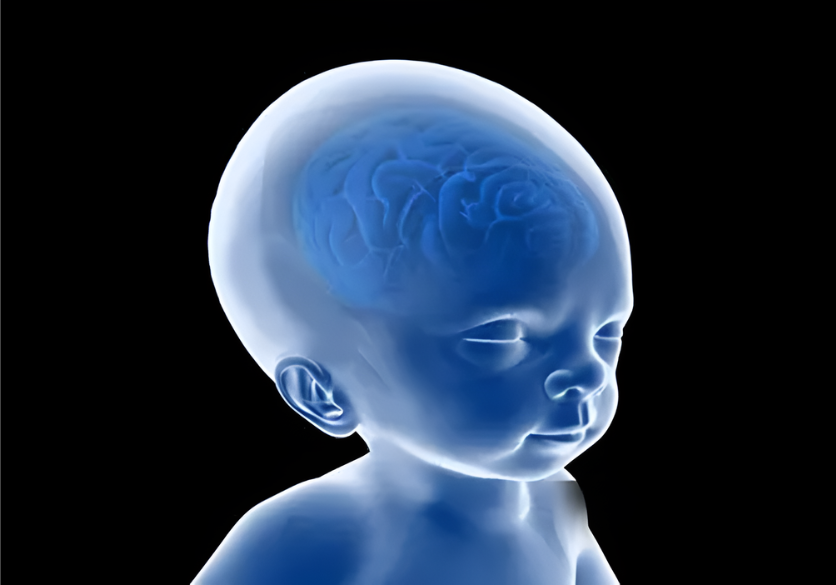
Hydrocephalus
Hydrocephalus is a condition where fluid builds up inside the brain because it isn’t draining or being absorbed properly. This clear fluid, called cerebrospinal fluid (CSF), normally protects and nourishes the brain. When its flow gets blocked, the pressure inside the head rises, causing symptoms and interfering with normal brain activity.
What are the different types of hydrocephalus?
-
Non-Communicating (Obstructive)
CSF flow is blocked within the narrow passages between ventricles.
-
Communicating Hydrocephalus
CSF flow is blocked after leaving the ventricles, but ventricles stay open and connected.
-
Normal Pressure Hydrocephalus (NPH)
Slow CSF buildup enlarges ventricles but pressure stays normal; common in older adults.
-
Hydrocephalus Ex-Vacuo
Brain tissue shrinks after injury or stroke, ventricles enlarge to fill space, pressure usually normal.
What are the symptoms of hydrocephalus?
-
Vision problems and tiredness across all age groups.
-
Nausea, vomiting, and headaches seen in children and adults.
-
Developmental delays, memory issues, or forgetfulness depending on age.
-
Balance, walking difficulty, or bladder control problems, especially in older adults.
-
Head changes in infants like an unusually large head, bulging soft spot, or downward eye gaze.