
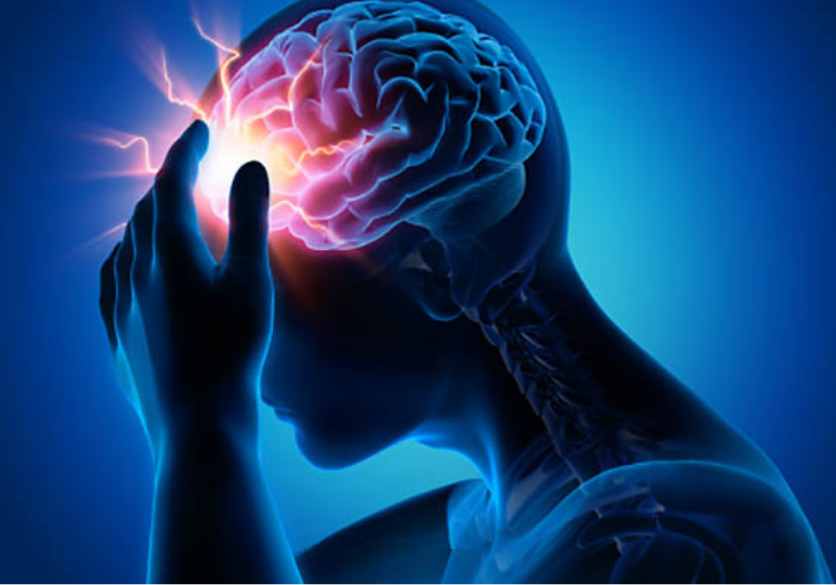
Migraine
A migraine is more than just a headache—it brings intense, throbbing pain often on one side of the head. Bright lights, sounds, and movement can worsen symptoms like nausea, fatigue, and sensitivity. With proper guidance, a healthcare provider can help manage migraines, reducing their impact on daily life.
What are the types of migraines?
-
Menstrual or hormone-linked migraines in women.
-
Migraine without aura, the most commonly experienced form.
-
Chronic migraines that occur frequently throughout the month.
-
Hemiplegic migraines that cause temporary weakness on one side.
-
Childhood or abdominal migraines that mainly affect younger individuals.
-
Migraine with aura, where warning symptoms appear before the headache starts.
-
Retinal, silent, or severe prolonged migraines like ocular migraine and status migrainosus.
What triggers a migraine?
-
Stress.
-
Skipping meals.
-
Hormonal changes.
-
Certain medications.
-
Changes to your sleep.
-
Weather conditions change.
-
Excessive physical activity (overexertion).
-
Addictive substances like caffeine or tobacco.
-
Exposure to bright lights, loud noises or strong odors.