
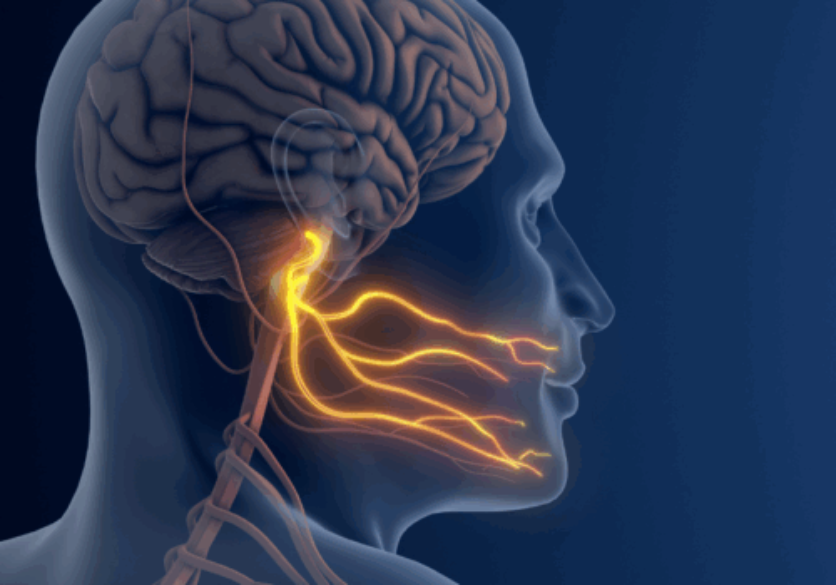
Trigeminal Neuralgia
Trigeminal neuralgia causes sudden, sharp facial pain that can interrupt even simple daily tasks. It frequently happens when the trigeminal nerve, which transmits facial sensations, is compressed by a blood vessel. Although not life-threatening, it deeply affects daily comfort. Its long-term symptoms can be successfully managed with the appropriate treatments.
How is trigeminal neuralgia diagnosed?
-
Diagnosis depends on the type of pain, its exact location, and what triggers it.
-
A brain MRI may be advised to identify the exact cause, such as nerve pressure or a tumor.
-
Similar conditions like migraines, cluster headaches, TMJ issues, and neuralgia are carefully ruled out.
-
The doctor begins by understanding your symptoms, medical history, and examining your head, neck, and nerves.
What is the treatment for trigeminal neuralgia?
-
Baclofen may be added as a muscle relaxant for extra relief.
-
Antiseizure medicines are usually the first choice to reduce nerve pain signals.
-
Surgery is considered when medicines fail or a clear cause, like a tumor, is found.
-
Treatment may include medicines, procedures, or surgery, depending on your symptoms and response.
-
Surgical options include microvascular decompression, radiosurgery, rhizotomy, or neurectomy to ease nerve pressure and pain.